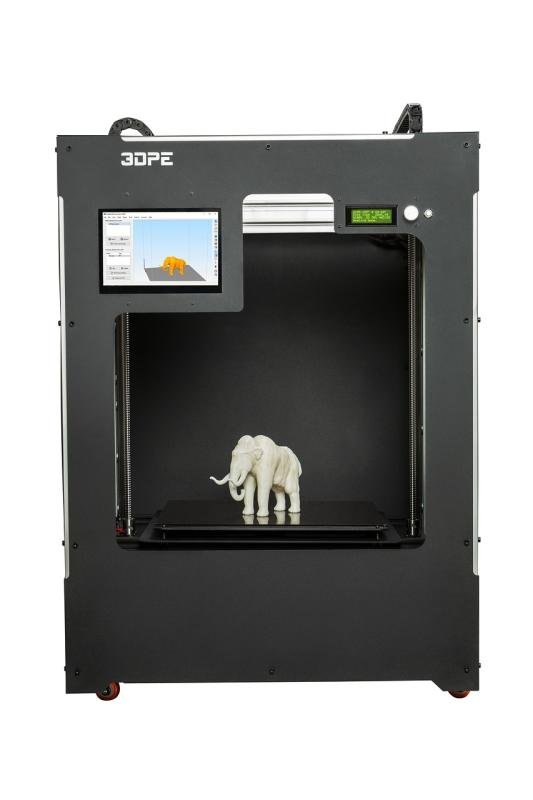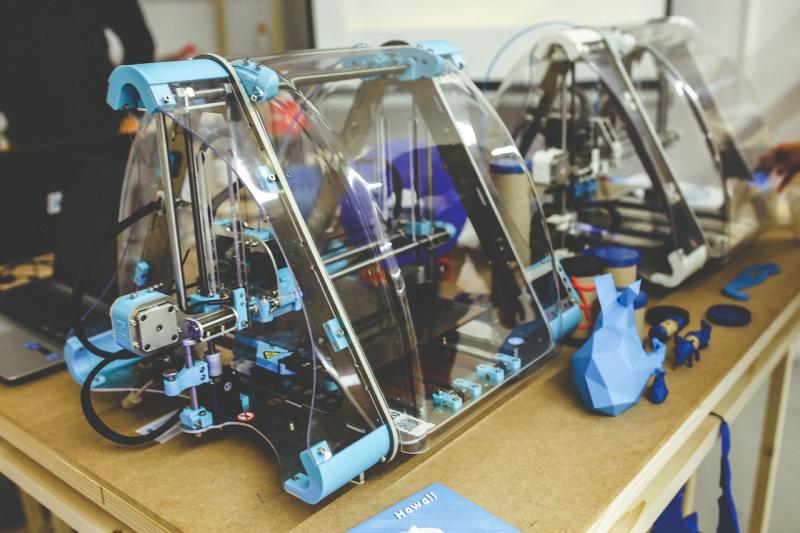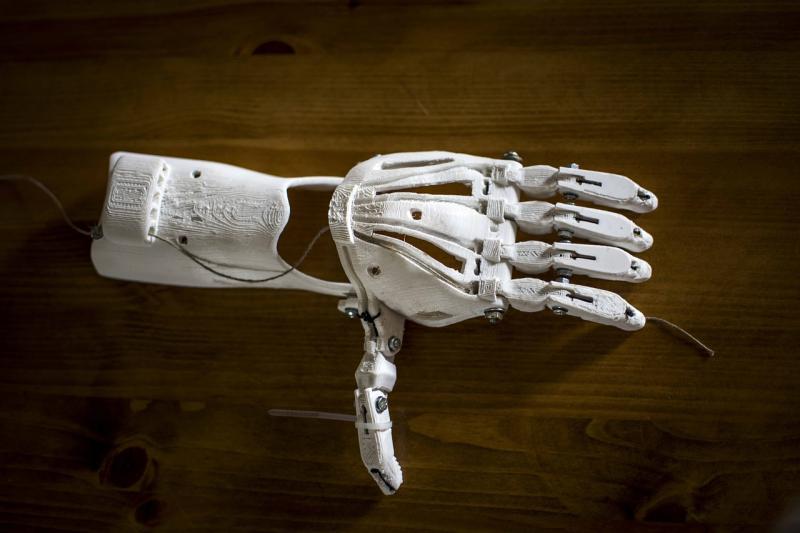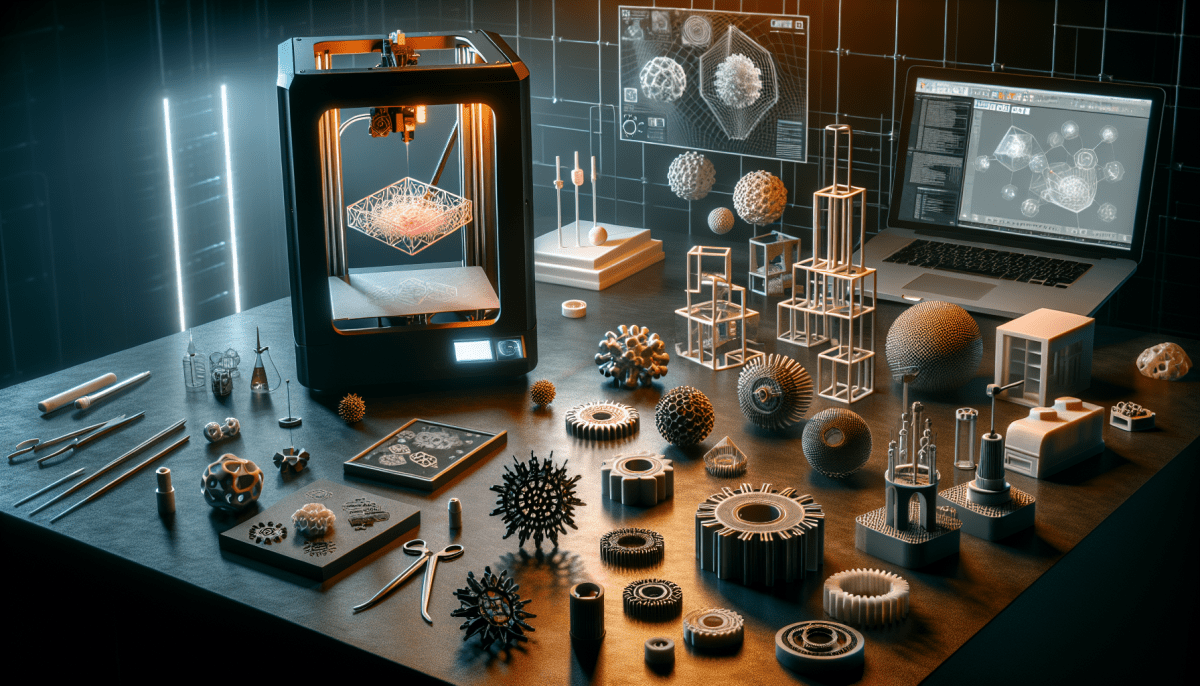
First things first, think about what you want to print. Are you looking to make cool gadgets, toy models, or maybe something for DIY projects at home? Knowing your goals can help you choose the right printer. If you want versatility, look for a printer that can handle multiple materials, like PLA and ABS.
Next, consider your budget. There are fantastic options out there at every price point. Entry-level printers can start around $200 and offer great features for beginners. Look for user-friendly models with good support and community backing, so you can easily find help when you need it.
Once you’ve got your eye on a few printers, dig into reviews. What do other users say? Look for feedback about setup processes, print quality, and reliability. A great community around the printer can make your journey less bumpy since you can get tips and tricks from fellow enthusiasts.
Finally, don’t forget about the software. You’ll need a program to turn your ideas into 3D models. Many printers come with their own software, but there are also fantastic free options out there. Check out tools like Tinkercad or Blender to help bring your designs to life.
Choosing the Right Filament
First up, let's talk about the most common type: PLA. This filament is super beginner-friendly. It’s made from cornstarch, which means it’s biodegradable and has a nice, sweet smell when it melts. PLA prints at a lower temperature and sticks well to the print bed, so you’re less likely to run into issues like warping. Perfect for home projects or decorative items!
If you're looking to create something a bit sturdier, ABS is your go-to. It's tougher and can withstand higher temperatures. This makes it great for functional parts or any projects that need durability. Just keep in mind that ABS can release some fumes during printing, so good ventilation is a must!
Now, if you want to step up your game, consider TPU. This flexible filament can add a fun twist to your prints. It’s perfect for phone cases, toys, or anything that needs a little bend. Just remember, printing with TPU can be tricky. Make sure your printer is up for the challenge!
Finally, there are specialty filaments like PETG and nylon. PETG combines the best of PLA and ABS, offering ease of use with added strength. Nylon is super durable and great for moving parts. These options can be more advanced, but they open up a world of possibilities as you get more experienced with your 3D printer.
Simple 3D Printing Projects to Try
Getting into 3D printing can be super exciting, especially when you start creating your own projects. You don’t need to dive into anything too complicated at first. Here are some simple ideas to get you started on your 3D printing journey!
First up, consider printing a phone stand. It’s an easy project that can be customized to fit any phone model. Just find a basic design online, or tweak one you like. This is a practical item that you’ll actually use every day.
Next, try your hand at making keychains. These little accessories are fun and are a great way to practice. You can experiment with different shapes and colors, and even add names or initials to make them personal. Plus, they make for great gifts!
If you're feeling a little adventurous, how about printing a small plant pot? It’s perfect for some greenery in your home or office. Just ensure that it has drainage holes if you want to keep your plants happy. This project allows you to play with different designs, sizes, and even add some texture.
Finally, think about creating your own custom coasters. They are practical and a great way to express your style. You can make them round, square, or even go wild with shapes you love. Add some cool patterns or even your favorite quotes for a personal touch!
Tips for Successful Printing Sessions
Getting your 3D printer up and running can feel a bit overwhelming at first. Don’t worry, though! A few tips can help you have smooth and successful printing sessions. Let’s dive in.
First off, always check your printer settings before hitting that print button. Make sure you’ve selected the right printing material, layer height, and infill percentage. These settings can greatly affect the quality of your print. If you’re not sure where to start, look up profiles for your specific printer and filament type. Many users share their successful settings online.
Next, prepare your print bed properly. A clean and level print bed is crucial for good adhesion and successful prints. Make sure there’s no dust, grease, or leftover filament from previous prints. If you’re using a heated bed, let it reach the right temperature before starting. This helps the material stick well during the first layers.
Don’t forget about your filament! Store it in a cool, dry place, away from sunlight. Moisture can mess with your prints, leading to clogging or poor layer adhesion. If you’re using a new filament, do a quick test print to see how it behaves with your settings. This little step can save you a lot of time later.
Finally, be patient and keep learning. 3D printing can take trial and error to get right. If something goes wrong, don’t be discouraged. Check online forums or communities for tips and tricks. There’s a whole world of knowledge out there from fellow enthusiasts ready to help you out!