Have you ever seen a cool gadget or custom piece of art and thought, "I wish I could create that"? With 3D printing, you can! It's like having your own personal mini factory right at home. You can transform digital designs into real-life objects. It’s pretty exciting stuff!
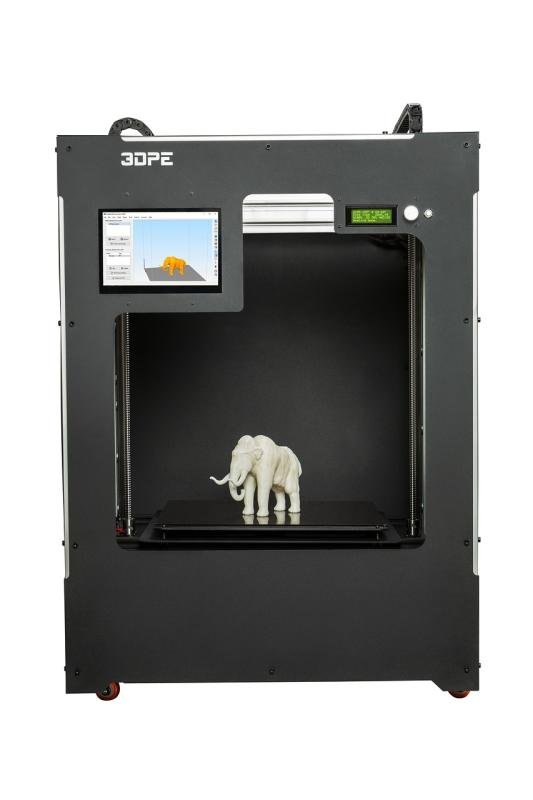
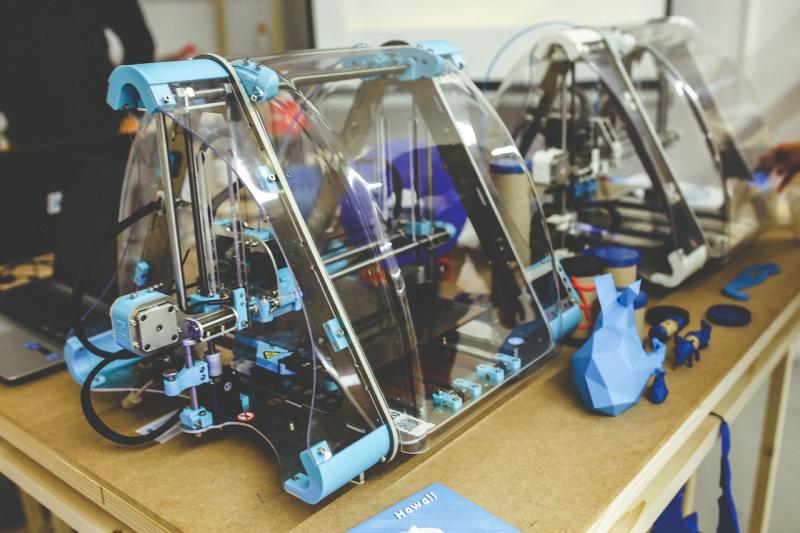
So, what’s the deal with 3D printing? Essentially, it’s a process where a machine reads a design file and builds the item layer by layer. The most common material used is plastic, but you can print with metal, resin, and even food! It’s all about choosing the right printer for your project.
If you're just getting started, here’s a quick rundown of what you need:
Once you have your gear set up, you can explore a ton of free designs online. Websites like Thingiverse or MyMiniFactory are treasure troves of models that you can download and print out. Just think about all the custom pieces you can make—anything from phone cases to toys!
The 3D printing journey is about experimentation and creativity. Don’t be afraid to dive in and see what you can create. The only limit is your imagination! So grab that printer and start unlocking a world of possibilities.
Your First 3D Printer Choices
Getting started with 3D printing can feel overwhelming. There are so many options out there, but don’t worry. Let’s break it down into three solid choices that will help you dive into this exciting world.
The Creality Ender 3 V2 is a popular choice among beginners. It’s affordable and offers a large build volume, so you can create bigger projects. Plus, it’s super easy to upgrade down the line. The community support is fantastic, so if you ever hit a snag, there are plenty of folks ready to lend a hand.
If you're looking for an all-in-one solution, check out the Anycubic i3 Mega. This printer comes mostly assembled, which means you can get started printing faster. It’s user-friendly with a touchscreen interface, making it a breeze for newcomers. Plus, it delivers solid print quality right out of the box.
Another solid option is the Monoprice Select Mini V2. This little printer is compact and perfect if you have limited space. It comes fully calibrated, so all you have to do is plug it in and start printing. It’s got a great price point and is perfect for those who want to experiment without breaking the bank.
Creative Projects You Can Try
If you’ve just jumped into the world of 3D printing, you’re probably itching to start creating. There are so many fun projects to dive into! Here are a few ideas to get your creative juices flowing.
First up, how about designing custom phone cases? You can tailor them to fit your style or even add unique features like slots for cards. The possibilities are endless! Plus, it's a handy way to protect your phone while showing off your creativity.
If you're looking for something practical, consider making your own kitchen tools. From measuring spoons to spice racks, 3D printing lets you create items that fit perfectly in your space. No more awkwardly sized utensils taking up room in your drawers!
For something a little more fun, why not try your hand at creating unique board game pieces or miniatures? Whether you're into tabletop games or just want to make some cool collectibles, this is a fantastic way to personalize your game nights.
Lastly, think about making gifts for friends and family. Personalized keychains, decorations, or even 3D-printed planters can make for thoughtful presents. Everyone loves a gift made just for them, and with 3D printing, it's easier than ever to make it happen!
Tips for 3D Printing Success
Getting started with 3D printing can feel overwhelming, but a few handy tips can help you nail it. First off, pay attention to your model. Choose a design that's either simple or has good tutorials available. This makes the printing process smoother and more fun.
Next, make sure your printer is calibrated properly. A well-aligned printer can save you loads of time and frustration. Spend some time adjusting the print bed and nozzle height before starting your project. It really does make a difference!
Don't forget about the material you pick. Different filaments come with their own quirks, so start with something user-friendly like PLA if you're a newbie. It prints easily and doesn’t require a special setup. As you gain confidence, you can explore other materials like ABS or PETG.
Lastly, keep an eye on your print speed. Slower speeds usually result in better prints, especially when you’re just starting out. Try experimenting with different speeds to find the sweet spot that works for your specific project.