Diving into the world of 3D printing can be super exciting, but it can also feel a bit overwhelming. Here are some tips to help you hit the ground running!
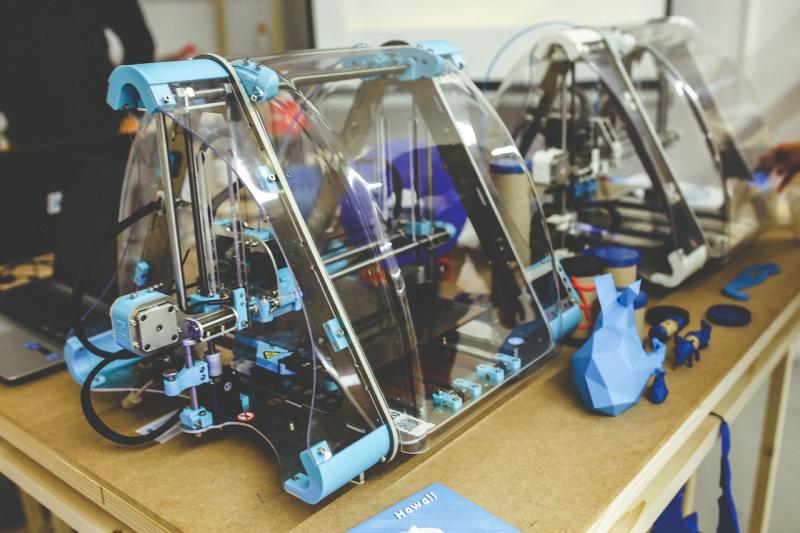
First, start with a good beginner printer. Look for something user-friendly and reliable. You don’t need the fanciest model right away. A basic printer will help you learn the ropes without breaking the bank. Something like the Creality Ender 3 or Anycubic i3 Mega is perfect for newbies.
Next, pick a design software that suits your needs. TinkerCAD is easy and straightforward for beginners. You can create simple designs and get a feel for the process. As you get more comfortable, you can explore other software like Fusion 360 for more complex projects.
Don’t forget about materials! PLA is ideal for beginners because it’s easy to work with and eco-friendly. Once you're comfortable, you can start experimenting with other materials like ABS or PETG. Just make sure you have the right settings for each type!
Finally, join a community. Finding fellow 3D printing enthusiasts can make a big difference. Online forums, social media groups, or local maker spaces are great places to share tips, tricks, and inspiration. This support can really help you as you start your 3D printing journey!
Choosing the Right Printer for Your Needs
When starting your 3D printing small business, picking the right printer is crucial. You want something that fits your needs and budget, without sacrificing quality. There are a few key factors to consider that can make your decision easier.
First off, think about the types of products you plan to create. Some printers excel with certain materials, like PLA or ABS, while others handle flexible or resin-based filaments better. If your goal is to produce prototypes or detailed models, you might want a printer with a high resolution and great layer quality.
Next, consider the size of the prints you want to make. Do you need a compact printer for small objects, or a larger one for bigger projects? Larger print beds can mean more material costs, but they also open up new possibilities for your creations.
Also, don’t forget about the ease of use. Some printers are super user-friendly with intuitive software, while others might require more tinkering to get them just right. If you’re new to 3D printing, a model that comes pre-assembled or has a straightforward setup can save you a lot of headaches.
Lastly, budget plays a huge role. You can find solid options in various price ranges. Just remember, cheaper isn’t always better. Look for a printer that offers a good balance of quality and features without breaking the bank.
Building Your First Product Line Fast
Jumping into the 3D printing business? Awesome choice! Getting your product line off the ground can feel like a big task, but it doesn’t have to be. Start by identifying what products you're passionate about. Think about things you’d like to create, or items that might fill a gap in the market. Maybe it’s unique home decor or custom cosplay accessories. Pinpoint your niche and let that guide your designs.
Next, create prototypes. Grab some filament and start printing! Don’t stress about making everything perfect right away. Focus on bringing your ideas to life. Once you have your prototypes, test them out. Get feedback from friends or future customers. They can provide insights that’ll help you refine your products.
When you're happy with your prototypes, it’s time to think about production. You don’t need to print huge batches at first. Start small. Print a few of each item, and offer them on platforms like Etsy or your own website. This way, you gauge interest without a big upfront investment.
Marketing can feel daunting, but it doesn’t have to be fancy. Use social media to showcase your prints. Share the process, the challenges, and the fun of creating. Engage with your audience. Tell them your story and why your products are special. Building a community around your brand can lead to loyal customers.
Finally, keep your options open. As you learn more about what sells and what doesn’t, don’t hesitate to tweak your product line or explore new ideas. The beauty of a small business is that you can adapt and grow. Enjoy the process and have fun with it!
Marketing Your 3D Printing Business Effectively
Starting a 3D printing business is thrilling, but getting the word out is key to finding your first customers. Think about who would buy your products. Are they artists looking for custom designs? Tech enthusiasts wanting unique gadgets? Knowing your target audience helps you tailor your marketing efforts.
Social media is a goldmine for promoting your 3D printing business. Platforms like Instagram and TikTok are great for showcasing your designs and printing process. Post photos and videos of your creations, and don’t be shy about sharing behind-the-scenes clips. Engaging visuals attract attention and can show potential customers the quality and uniqueness of your products.
Consider joining online communities where 3D printing enthusiasts hang out. Reddit, specialized forums, or Facebook groups can be fantastic places to connect. Share your work, ask for feedback, and build a rapport. Just remember, it’s not all about selling. Being a genuine part of the community can lead to word-of-mouth referrals.
Email marketing shouldn’t be overlooked, either. Start collecting emails from interested customers and keep them updated with new products and offers. Create an engaging newsletter with tips, trends, and of course, your latest designs to keep them interested.
Lastly, think about local opportunities. Farmers markets, craft fairs, or tech expos can be excellent spots to showcase your 3D printed goods. You’ll get face-to-face time with potential customers and can often find a crowd eager to see new tech. Plus, interacting with customers in person creates a connection that online marketing might miss.