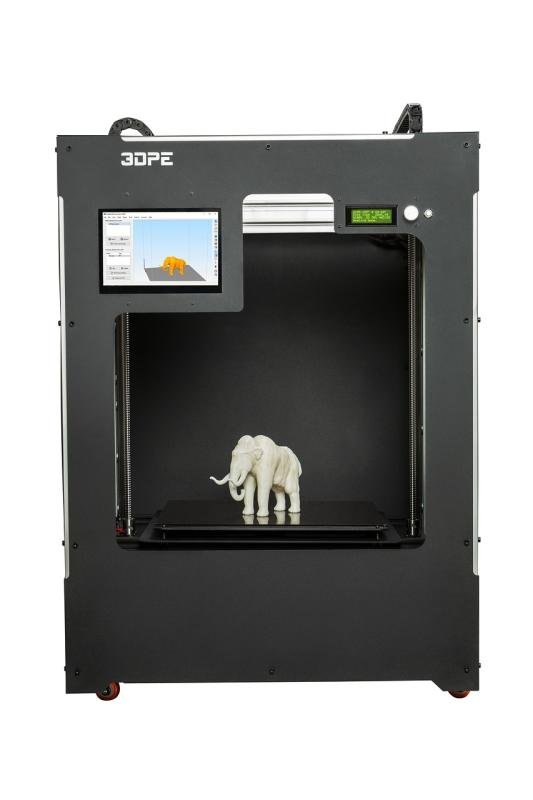
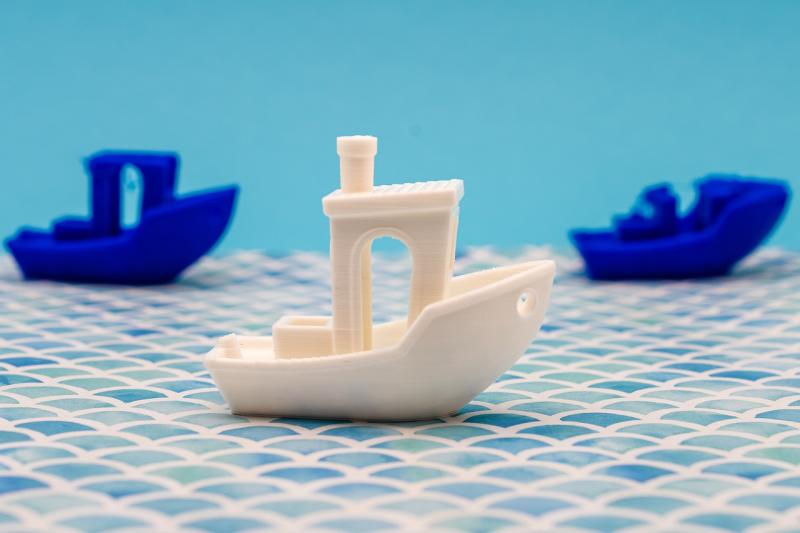
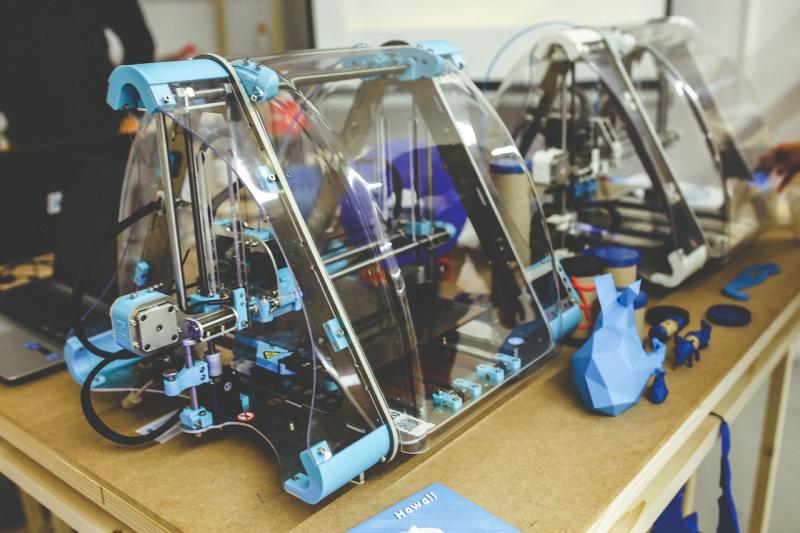
When diving into the world of 3D printers, it’s important to know the main types out there. Each one has its unique way of creating objects, which makes them suited for different projects. Let’s break down a few of the most popular types.
First up, we have FDM printers, or Fused Deposition Modeling printers. These are the most common and often the go-to choice for beginners. They work by melting plastic filament and layering it to build up a 3D object. They’re affordable, easy to use, and perfect for making prototypes or basic models.
Next, we have SLA printers, or Stereolithography printers. These use a UV light to cure liquid resin into hard plastic. The outcome? Super fine details and a smooth finish that FDM printers often can't match. If you need high-quality models or intricate designs, SLA is the way to go. Just keep in mind, the resin can be a bit messy to work with!
Don’t forget about SLS printers, or Selective Laser Sintering. These work differently by using a laser to fuse powdered materials together. SLS printers can handle various materials and create strong, durable parts, but they tend to be pricier and more complex. Great for industrial applications but not really something you'll want in your home workspace.
Finally, we have DLP printers, or Digital Light Processing printers. Similar to SLA, these also use light to cure resin, but they do it layer by layer using a digital light projector. This method can speed things up a bit and is great for producing highly detailed prototypes. If you’re looking for speed and precision, DLP is a solid option.
What Makes Each Type Unique
3D printers come in different shapes and sizes, and each type has its own special features that set it apart. Let's break down what makes each one unique.
First up, Fused Deposition Modeling (FDM) printers. These are the most popular choices, especially for beginners. They work by melting plastic filament and layering it to create your object. They're affordable, easy to find, and there’s a ton of filament colors and types to play with. If you want a solid and reliable printer without spending a fortune, an FDM machine is a great pick.
Next on the list is Stereolithography (SLA) printers. These guys use a laser to cure resin into solid objects. The detail you get with SLA is top-notch, making it perfect for intricate designs. You’ll see finer lines, sharper edges, and an overall smoother finish. The downside? They can be pricier and a bit messier compared to FDM printers, but if quality is your priority, this is the way to go.
Then we have Selective Laser Sintering (SLS) printers, which bring a whole new level of creativity to the table. SLS uses a laser to fuse powdered materials, like plastics or metals, together. This means you can create complex shapes and even functional parts that are ready for use right off the printer. However, these machines often come with a hefty price tag and are usually found in industrial settings. If you’re serious about 3D printing and looking to elevate your projects, SLS won't let you down.
Lastly, there are resin printers, which are a midpoint between FDM and SLA. They use a process similar to SLA but often come with a simpler setup. They cure liquid resin quickly and often boast impressive detail. Plus, you'll find they’re usually smaller and more compact, making them great for home use. If you want something easy to manage with great print quality, consider a resin printer. Each type of 3D printer brings something different to the table, so think about what matters most to you before making your choice.
Top Picks for Every Budget
When it comes to choosing a 3D printer, your budget can really shape your options. You can find great printers across all price ranges, whether you’re a beginner or a seasoned pro. Here are some top picks that fit every budget.
Under $200: If you’re just starting out and don’t want to break the bank, the Creality Ender 3 is a fantastic choice. It’s user-friendly, reliable, and has a large community online for support. You can create decent-quality prints without spending a fortune.
Between $200 and $500: The Anycubic i3 Mega offers a lot of value for its price. This printer is known for its sturdy build and high print quality. It heats up quickly, so you won’t be waiting around long to start printing your projects. Plus, it’s easy to assemble and use, making it ideal for hobbyists.
$500 and up: For those ready to invest a bit more, the Prusa i3 MK3S+ is a standout. It’s hailed for its top-notch performance and features like power recovery and built-in safety measures. You can expect amazing print quality and reliability, making it worth every penny for serious makers.
Each of these picks brings something unique to the table, making it easier to find the right fit for your needs and budget. Whether you are diving into 3D printing or looking to upgrade, there's a great option just waiting for you!
Choosing the Right Printer for You
Choosing the right printer can feel like a big task, but it doesn't have to be. Whether you're a hobbyist or looking to jump into a new project, the right 3D printer can make all the difference. Start by thinking about what you want to create. Are you focusing on detailed models, prototypes, or maybe something for fun? Your goals will help in picking the perfect match.
Consider the type of material you'll be using. Some printers work well with filament, while others are better suited for resin or other materials. If you’re just starting, a filament printer is usually the go-to choice. They're often more affordable and easier to use. Plus, you can find a ton of options in terms of colors and types of filament.
Next, take a look at the printer's build size. Think about the size of the models you want to print. If you're aiming for larger projects, you’ll need a printer with a bigger build volume. On the flip side, if portability is key for you, look for compact models that won't take up too much space.
Finally, research the printer's ease of use. Some models are super user-friendly with simple setups, while others may require some tweaking. Check if the printer has a good online community or support resources. This can be really helpful when you're learning the ropes or hit a snag.